

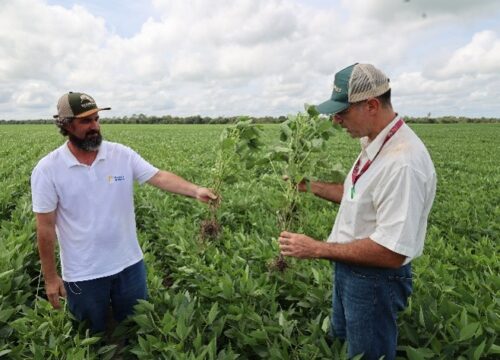
The Sustainable Soy Alliance brings together around 70 stakeholders from the soy supply chain, including companies, industry associations, civil society and technical partners. The partnership emerged from a dialogue initially supported by GIZ and gradually developed into a platform sustained by its members. As the current project phase comes to an end, one of the Alliance’s members, Corredor Logística e Infraestrutura S.A. (CLI), will provide financial support for coordination from 2026 onwards. This broadens the partnership’s funding base and makes its continuation less dependent on external project funding.
For an MSP to continue beyond a project cycle, the participating stakeholders need to see a concrete benefit in working together. The Sustainable Soy Alliance provides an example of how this can also lead to shared responsibility for the partnership’s continuation and financing.
Learn more on the website of SASI.